
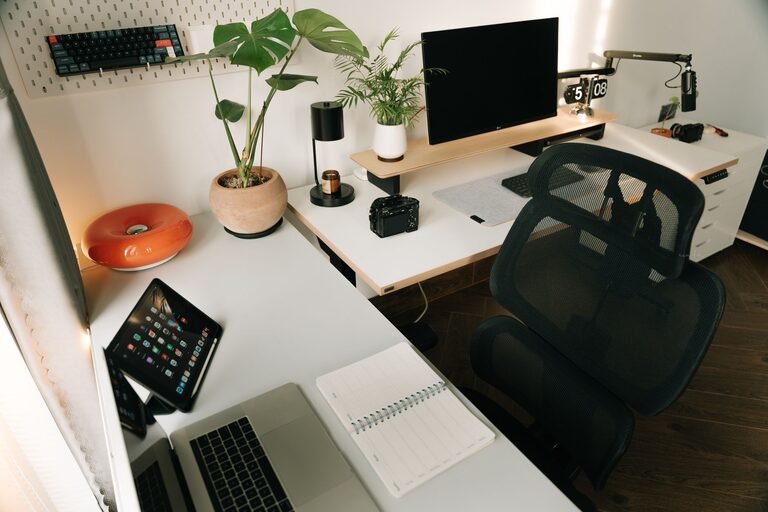
Creating a comfortable and efficient home office can have a significant impact on your productivity and overall work experience. A clutter-free workspace reduces distractions, promotes better focus, and helps you stay organized. Whether you work from home full-time or occasionally, organizing your office space can make a big difference. In this post, we’ll explore practical tips for organizing a clutter-free home office to boost your productivity.
Why a Clutter-Free Home Office Matters
Before diving into strategies, it’s important to understand why maintaining an organized workspace matters. A tidy office helps reduce stress and mental fatigue caused by visual clutter. It also increases your ability to find important documents quickly, allows for better use of your time, and creates an inviting environment that encourages work.
Step 1: Declutter Your Workspace
Start with a thorough declutter of your home office. Remove everything that you don’t need or use regularly.
– Sort your items into categories: keep, discard, or donate.
– Clear off your desk completely, then only put back essentials.
– Dispose of or recycle old papers and supplies.
– Evaluate furniture and equipment — remove anything unnecessary or replace bulky items with more compact ones.
Taking these first steps lays the foundation for an organized and efficient workspace.
Step 2: Organize Your Desk for Maximum Efficiency
Your desk is the central work area, so organizing it effectively is key.
– Use drawer organizers to separate small items such as pens, paper clips, and sticky notes.
– Keep frequently used items within arm’s reach.
– Limit desk decorations to a few meaningful items to avoid distraction.
– Consider a clean desk policy at the end of each day, putting everything back in its place.
An organized desk makes it easier to focus and helps you tackle tasks more efficiently.
Step 3: Optimize Storage Solutions
Having the right storage solutions keeps clutter off your desk and floor.
– Use shelves or bookcases to store books, binders, and supplies.
– Label storage boxes and drawers so you can quickly locate items.
– Invest in filing cabinets or portable file boxes for important documents.
– Magnetic boards or corkboards can be helpful for pinning reminders without paper piles.
Choose storage options that fit your space and needs, and make sure everything has a designated spot.
Step 4: Manage Cables and Tech Accessories
Technology is essential but can often create clutter.
– Use cable organizers or clips to keep cords neat and untangled.
– Label cables to easily identify devices.
– Hide power strips behind your desk or inside a box designed for cable management.
– Regularly clean your devices to avoid dust buildup, which adds to visual clutter.
Simple cable management makes your workspace safer and visually cleaner.
Step 5: Create an Effective Filing System
A good filing system helps you keep important documents organized and accessible.
– Choose a system that works for you: alphabetical, by project, or by date.
– Use color-coded folders or labels to easily identify categories.
– Regularly purge outdated files to minimize accumulation.
– Consider digital backups for important paper documents.
An intuitive filing system saves time and reduces frustration when searching for papers.
Step 6: Enhance Lighting and Personal Comfort
A well-lit and comfortable space encourages productivity.
– Maximize natural light by positioning your desk near a window.
– Add task lighting, like a desk lamp, for focused work.
– Maintain comfortable room temperature and seating to reduce distractions.
– Personalize your space with plants or small decor that inspire but don’t clutter.
Comfort and proper lighting contribute to a pleasant work environment.
Step 7: Develop Daily and Weekly Habits
Organization requires ongoing effort, so building simple habits helps maintain a clutter-free office.
– Spend 5–10 minutes at the end of each day tidying up.
– Schedule a weekly review to organize incoming paperwork and supplies.
– Discard or donate unused items regularly.
– Assess your organization system every few months and adjust as needed.
Consistent habits are key to sustaining an organized and productive home office.
—
Organizing your home office doesn’t have to be overwhelming. Taking small, manageable steps toward decluttering and systemizing your space can greatly improve your workday experience. By creating a clutter-free environment, you’ll find it easier to focus, manage tasks, and maintain motivation in your daily work routine. Give these tips a try and notice the positive difference in your productivity!